
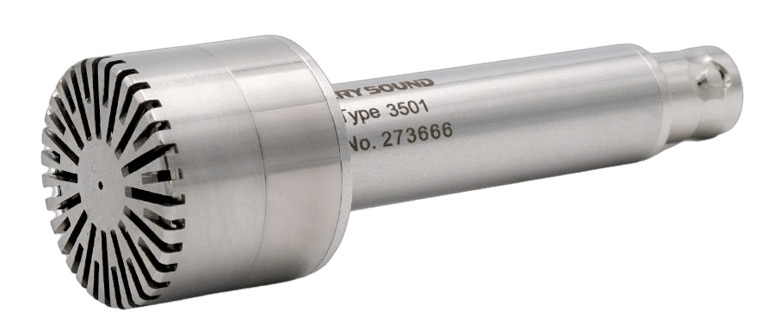
The automotive industry relies on precision and accuracy at every stage of design, manufacturing, and testing. Whether it’s assessing the performance of a high-end sports car or fine-tuning the comfort of a family SUV, engineers need reliable tools to gather accurate data. One such tool, often overlooked by the public but essential to professionals, is the measurement microphone. In the context of vehicles, these devices help ensure optimal performance, reduce unwanted noise, and enhance the overall driving experience.
What is a Measurement Microphone?
A measurement microphone is a specialised device designed to capture sound with exceptional accuracy across a wide frequency range. Unlike regular microphones used for music or communication, these are calibrated instruments that measure sound pressure levels without altering or colouring the sound. Their role is to provide engineers and researchers with a faithful representation of the acoustic environment, enabling them to make precise adjustments and informed decisions.
Why Sound Measurement Matters in Cars
In modern vehicles, sound is more than just a by-product of movement. From the hum of the engine to the aerodynamic flow of air, every sound has an impact on driver comfort and brand perception. Excessive noise inside the cabin can lead to fatigue, while poor sound design may make a vehicle feel less refined. Car manufacturers also face strict regulations on external noise emissions to meet environmental and community noise standards.
Measurement microphones are used to identify, isolate, and address unwanted sounds in a car’s interior and exterior. This process, known as NVH (Noise, Vibration, and Harshness) testing, is a cornerstone of automotive engineering, ensuring vehicles are quiet, comfortable, and compliant with regulations.
Applications in Automotive Testing
- Engine Noise Analysis
Engines produce complex sound signatures that can be pleasant or irritating depending on the tuning. Sports cars, for instance, often emphasise certain engine tones to appeal to enthusiasts, while luxury vehicles prioritise minimal cabin intrusion. Measurement microphones allow engineers to capture these sounds in detail, helping them enhance or dampen specific frequencies for the desired effect. - Cabin Acoustics
The interior of a car is designed for comfort, and that includes how sound behaves within it. Engineers use measurement microphones to evaluate how materials, shapes, and layouts affect sound inside the cabin. This ensures a premium experience for drivers and passengers, whether they are listening to music or conversing at motorway speeds. - Aerodynamic Noise
At high speeds, the flow of air around a vehicle generates noise. Even subtle design changes to mirrors, rooflines, and grilles can alter this aerodynamic sound. By placing measurement microphones in wind tunnels or during road tests, manufacturers can identify problem areas and refine designs for quieter performance. - Component Testing
Every part of a car, from the suspension system to the tyres, can produce sound. Measurement microphones help evaluate these components in isolation and as part of the whole vehicle, ensuring they meet strict acoustic standards.
The Role in Electric Vehicles
The rise of electric vehicles (EVs) has changed the soundscape of the automotive world. Without the masking effect of a combustion engine, other noises such as tyre hum, wind noise, and electronic whirring become more noticeable. This makes precision acoustic testing even more critical. Measurement microphones help EV manufacturers achieve the quiet, refined cabin environments that customers expect while also crafting unique brand-specific sounds for safety and identity.
Choosing the Right Equipment
Selecting the correct measurement microphone depends on the application. Factors such as frequency response, dynamic range, and environmental durability all play a part in determining the best tool for the job. Some automotive tests require microphones capable of withstanding extreme temperatures, humidity, or vibration, while others demand ultra-sensitive models for detecting minute sound variations.
Professionals often turn to specialist suppliers for their equipment. For example, you can find a wide range of options through a dedicated measurement microphone provider, ensuring you have the right tool for every automotive testing scenario.
Data Collection and Analysis
Collecting sound data is only part of the process. Once captured, the information must be analysed using advanced software to identify trends, pinpoint problem areas, and evaluate changes over time. Engineers often conduct multiple rounds of testing, adjusting materials, design elements, or mechanical components based on the findings from measurement microphone data.
Beyond the Manufacturing Line
While measurement microphones are heavily used during vehicle development, their role doesn’t end there. Motorsport teams use them to fine-tune performance, aftermarket companies employ them to test modifications, and researchers use them to study road noise impacts on health and safety. This versatility makes them invaluable in a range of automotive contexts.
Conclusion
In the highly competitive world of automotive design and engineering, attention to acoustic detail is vital. Measurement microphones provide the accuracy and reliability needed to create vehicles that are not only high-performing but also comfortable and compliant with strict noise regulations. From enhancing the roar of a sports car to ensuring the whisper-quiet cabin of an electric vehicle, these precision tools play a critical role in shaping the sounds—and silences—of modern motoring.